
Streamlining Multi-Vendor Event Sourcing: How Integrated Marketplaces Simplify Event Planning
Meta Description: Discover how integrated marketplaces simplify multi-vendor event sourcing by connecting caterers, chefs, and service providers, reducing coordination challenges, improving budget visibility, and streamlining event planning.
Introduction
Organizing a successful event involves much more than choosing a venue and setting a date. Event planners must coordinate caterers, chefs, food suppliers, rental companies, and other service providers while balancing budgets, timelines, and customer expectations. When every vendor operates through a separate system, even a straightforward event can become a complicated process.
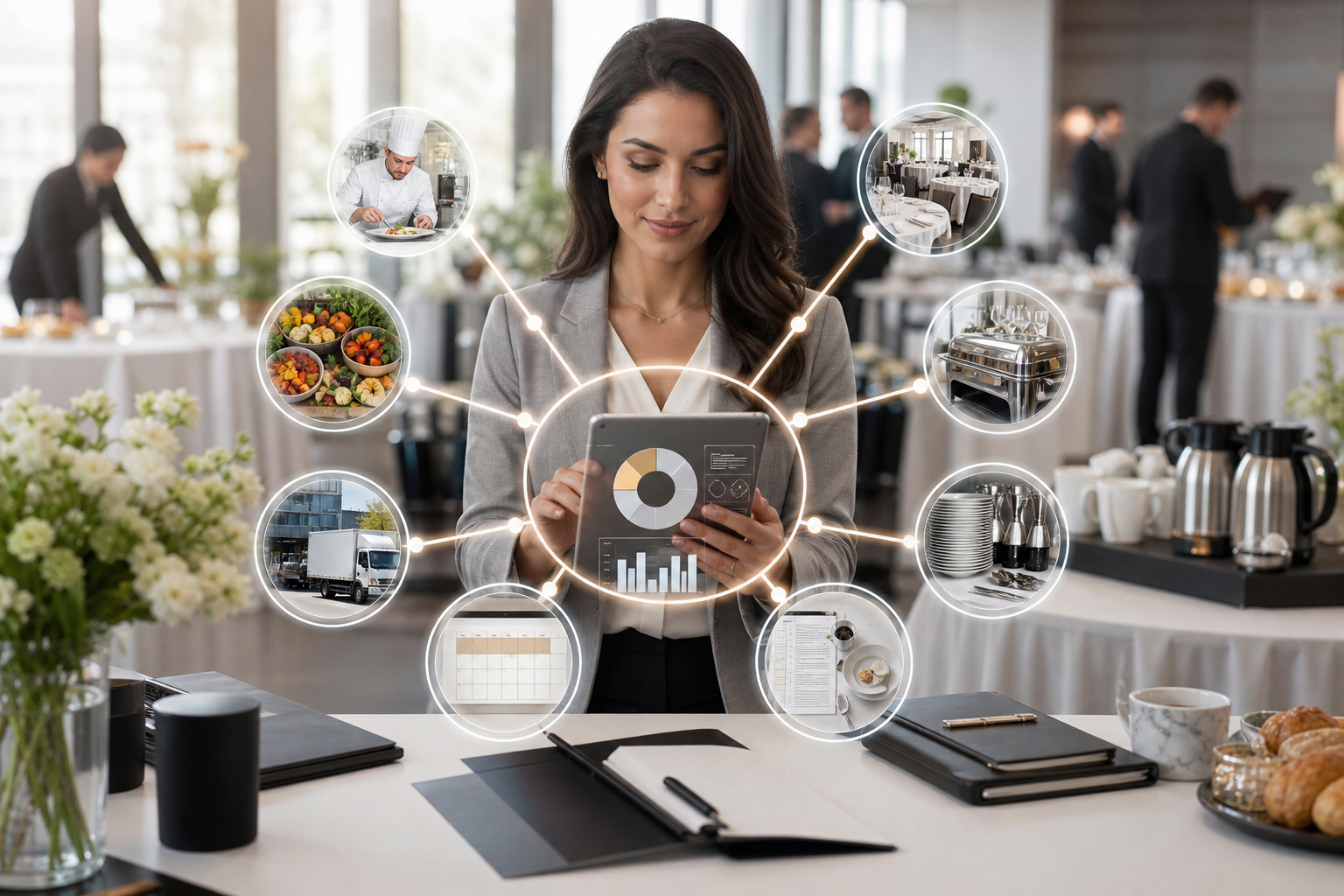
Integrated marketplaces are changing how businesses and event organizers approach this challenge. By bringing multiple service providers into one connected digital environment, these platforms simplify vendor discovery, streamline sourcing, and make it easier to coordinate the details that bring an event together.
The Challenges of Managing Multiple Vendors
Traditional event sourcing often involves searching different websites, requesting individual quotations, comparing service packages, and communicating with vendors through separate emails and phone calls.
This fragmented process creates several challenges:
- Time-consuming vendor discovery: Finding suitable providers for different event requirements can take hours of research.
- Scattered communication: Information about menus, delivery times, guest counts, and special requests can become difficult to track.
- Complicated budgeting: Comparing quotations from multiple providers makes it harder to understand total event costs.
- Coordination gaps: Different schedules and expectations can increase the risk of delays and misunderstandings.
- Limited flexibility: Last-minute changes may require repeated communication with several suppliers.
For corporate events, conferences, and large gatherings, these challenges can consume valuable time that planners could otherwise spend improving the guest experience.
How Integrated Marketplaces Simplify Vendor Sourcing
An integrated marketplace brings multiple vendors and service categories together, allowing event organizers to explore suitable options through one centralized platform.
Instead of independently searching for every supplier, planners can discover catering companies, chefs, specialty food providers, and other event services within one environment.
Depending on the platform’s features, users can compare menus, service packages, pricing, availability, and vendor capabilities before making informed decisions.
For example, a company organizing a business conference may need breakfast catering, coffee stations, boxed lunches, and afternoon refreshments. An integrated marketplace can help the organizer identify suitable providers and evaluate available options without repeating the same research process across multiple websites.
This centralized approach can reduce sourcing time while helping planners match services with their event objectives and budget.
Connecting Vendors Through Better Coordination
Finding the right vendors is only the beginning. Successful events also depend on clear communication and reliable coordination.
Integrated marketplaces can help organize essential event information, including service requirements, booking details, delivery schedules, guest counts, and special instructions. When these details are managed through connected workflows, planners and vendors can develop a clearer understanding of their responsibilities.
For catering events, this is particularly valuable. Food preparation, transportation, setup, and serving times must align with the event schedule. Better access to shared information can help reduce misunderstandings and support smoother execution.
Centralized coordination also makes it easier to identify outstanding decisions and communicate changes before they create operational problems.
Improving Budget Visibility and Purchasing Decisions
Managing an event budget becomes more difficult when costs are distributed across several suppliers. Separate quotations, service fees, delivery charges, and additional requirements can make final expenses difficult to predict.
Integrated marketplaces can simplify this process by helping planners compare available options and evaluate costs within a more organized workflow.
Rather than selecting a vendor based on price alone, event organizers can consider service quality, menu flexibility, reliability, logistics, and overall value.
For businesses that organize recurring events, better visibility into vendor options and spending can support more consistent purchasing decisions and more effective budget planning.
The Role of AI and Automation in Event Sourcing
As event technology advances, AI and automation are creating additional opportunities to simplify multi-vendor coordination.
Depending on the platform, these capabilities may help planners identify relevant vendors, organize event requirements, generate recommendations, manage inquiries, or automate parts of the booking process.
For example, an AI-powered catering platform could help a corporate administrator explore food options based on guest count, dietary preferences, budget, and event location. Instead of manually reviewing numerous possibilities, the planner could begin with a more relevant selection of services.
However, technology should support rather than replace human judgment. Vendor reliability, food quality, responsiveness, and the ability to accommodate special requests remain essential to a successful event.
Conclusion
Managing multiple vendors does not have to mean managing multiple disconnected processes. Integrated marketplaces offer event planners a more organized way to discover service providers, compare options, coordinate requirements, and make informed purchasing decisions.
By reducing administrative complexity and improving access to relevant information, these platforms can help businesses save time, manage budgets more effectively, and deliver better-organized events.
As digital sourcing continues to evolve, the real opportunity lies in creating stronger connections between customers and vendors. When discovery, communication, and coordination work together, event planners can spend less time managing fragmented processes and more time creating experiences that people remember.