
From Prompt to Plate: How Machine Learning Is Streamlining Banquet Event Orders (BEO)
Meta Description: Discover how machine learning is transforming Banquet Event Orders (BEOs), reducing planning errors, improving catering coordination, and creating smoother event experiences.
Banquet Event Orders (BEOs) are essential documents in the catering and hospitality industry. They bring together important event details such as menus, guest counts, schedules, dietary requirements, room setups, equipment, and service instructions. However, creating and managing BEOs manually can take significant time and may lead to costly errors. Machine learning is changing this process by helping catering teams turn event information into accurate, organized, and actionable plans.
Turning Event Requests Into Structured Information
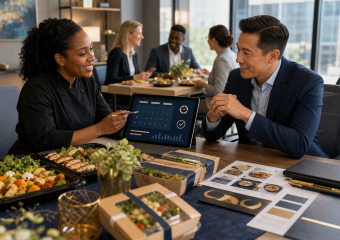
Modern event planning often begins with a simple request. A client may provide information about an event through an email, online form, phone call, or conversation. Traditionally, staff members must manually review these details and transfer them into a BEO.
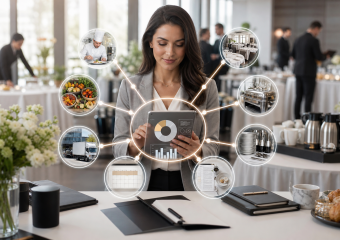
Machine learning can help automate this process. AI-powered systems can identify important information such as event dates, guest numbers, meal preferences, venue requirements, and service times. Instead of repeatedly entering information into different systems, catering teams can use intelligent software to organize the data into a structured event order.
Reducing BEO Errors
Even experienced event professionals can make mistakes when handling multiple events simultaneously. A missing dietary requirement, incorrect guest count, or conflicting service time can create serious problems during an event.
Machine learning can analyze BEO information and identify inconsistencies before the event takes place. For example, if the number of meals ordered does not match the expected guest count, the system can flag the discrepancy for review. This creates an additional layer of quality control and helps teams catch potential problems earlier.
Improving Communication Across Teams
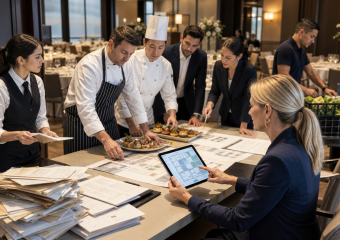
A BEO is not only used by catering managers. Chefs, servers, event coordinators, venue teams, rental companies, and other staff may all depend on accurate event information.
Machine learning can help centralize and organize these details so that different departments work from consistent information. Changes to menus, schedules, guest counts, or room arrangements can be reflected more efficiently, reducing the risk of different teams working from outdated instructions.
Smarter Menu and Service Planning
Machine learning can also support menu planning by analyzing historical event information and customer preferences. Over time, systems can identify patterns in menu selections, popular dishes, dietary requests, seasonal preferences, and event types.
This information can help catering businesses make more informed planning decisions. For example, historical data may reveal that certain menu combinations are frequently selected for corporate events, while other options are more popular for weddings or large celebrations.
Saving Time for Event Professionals
One of the biggest advantages of machine learning is automation. When repetitive administrative tasks are handled by software, catering professionals can spend more time communicating with clients, managing teams, improving service, and solving complex event requirements.
Rather than replacing event professionals, machine learning can function as an intelligent support tool. Human expertise remains essential for understanding client expectations, making final decisions, and managing unexpected situations.
The Future of BEO Management
The future of banquet event planning is increasingly connected, automated, and data-driven. Machine learning can help transform BEOs from static documents into dynamic tools that support communication, planning, forecasting, and execution.
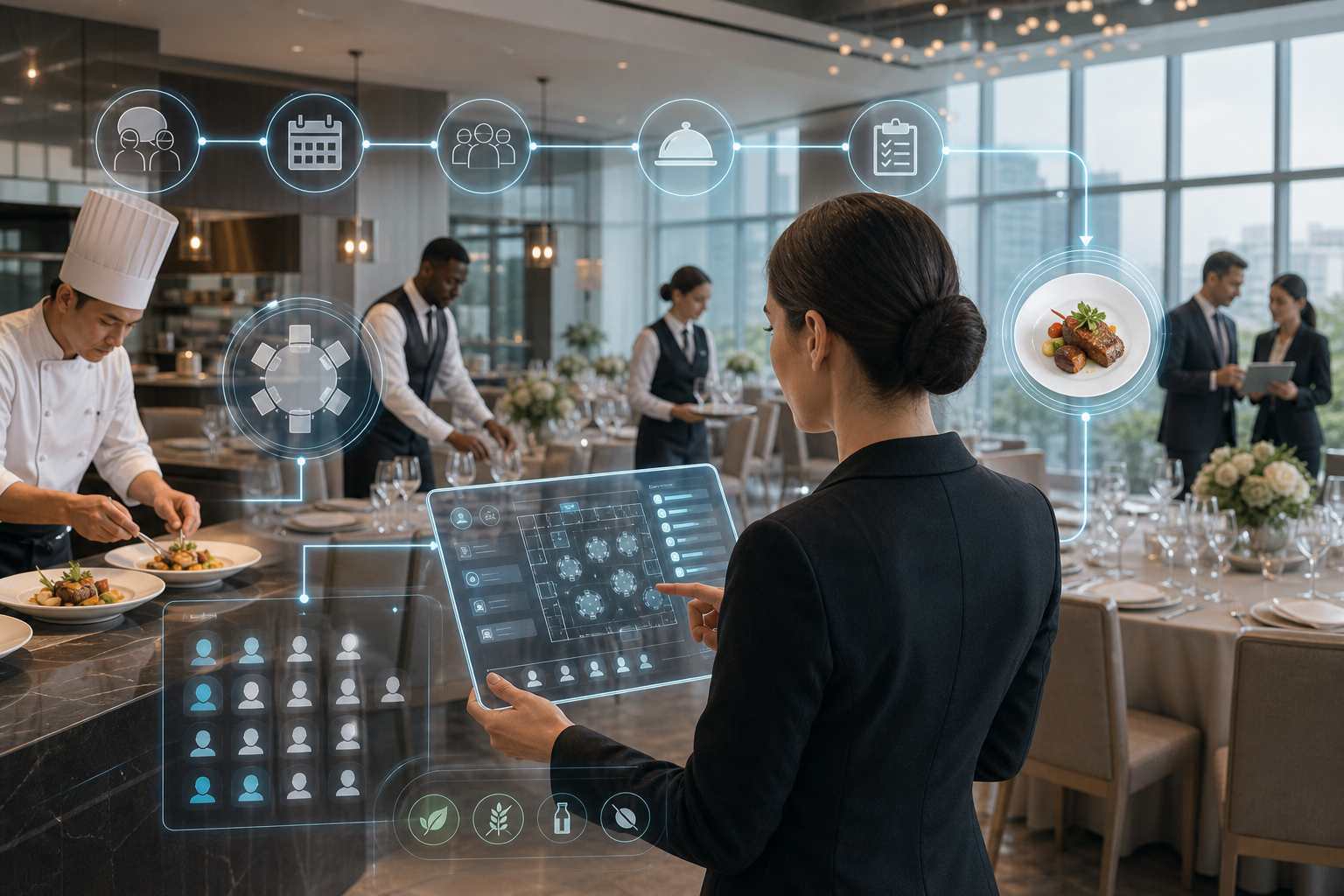
From the initial client prompt to the final plate served at an event, intelligent technology can help connect each stage of the catering workflow. For businesses managing multiple events, this can mean fewer administrative challenges, better coordination, and a more consistent experience for clients and guests.