
The Future of Catering: How Artificial Intelligence Is Transforming Event Hospitality
Meta Description: Discover how artificial intelligence is transforming event catering through smarter menu planning, personalized guest experiences, efficient operations, and data-driven hospitality.
Artificial intelligence (AI) is rapidly changing the event hospitality industry, and catering is becoming one of the areas where its impact is most visible. From corporate conferences and weddings to large-scale festivals and private events, AI-powered tools are helping caterers plan more efficiently, understand guest preferences, reduce waste, and deliver more personalized experiences.
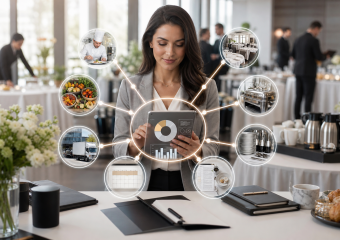
One of the biggest advantages of AI in catering is smarter menu planning. Traditional menu selection often depends on manual research, previous experience, and assumptions about guest preferences. AI can analyze event details, guest demographics, dietary requirements, seasonal ingredients, and historical data to recommend suitable menus. This allows catering teams to create food options that are more relevant to their audiences while reducing planning time.
AI can also improve guest personalization. Modern event attendees increasingly expect experiences tailored to their needs. AI systems can organize information about dietary restrictions, allergies, food preferences, and meal choices. For example, a catering platform can help identify vegetarian, vegan, halal, gluten-free, or allergy-sensitive requirements before an event begins. This creates a smoother experience for both guests and hospitality teams.
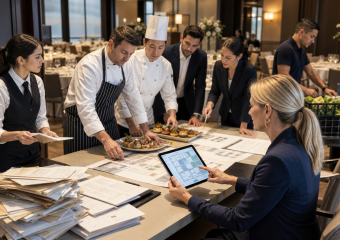
Another important benefit is operational efficiency. Catering companies must coordinate staff, ingredients, equipment, delivery schedules, and serving times. AI can analyze these variables and help teams organize resources more effectively. Predictive systems can also estimate food quantities based on attendance patterns and previous events, helping businesses avoid excessive preparation and unnecessary costs.
Food waste reduction is another area where AI can make a significant difference. Overestimating demand can result in large quantities of unused food, while underestimating demand can create shortages. By analyzing historical and real-time data, AI tools can provide more informed forecasts and support better purchasing and preparation decisions.
AI is also opening new possibilities for event engagement. Chatbots and intelligent digital assistants can answer guest questions, provide menu information, collect preferences, and support event organizers before and during an event. These technologies allow hospitality teams to focus more attention on service and guest interaction.
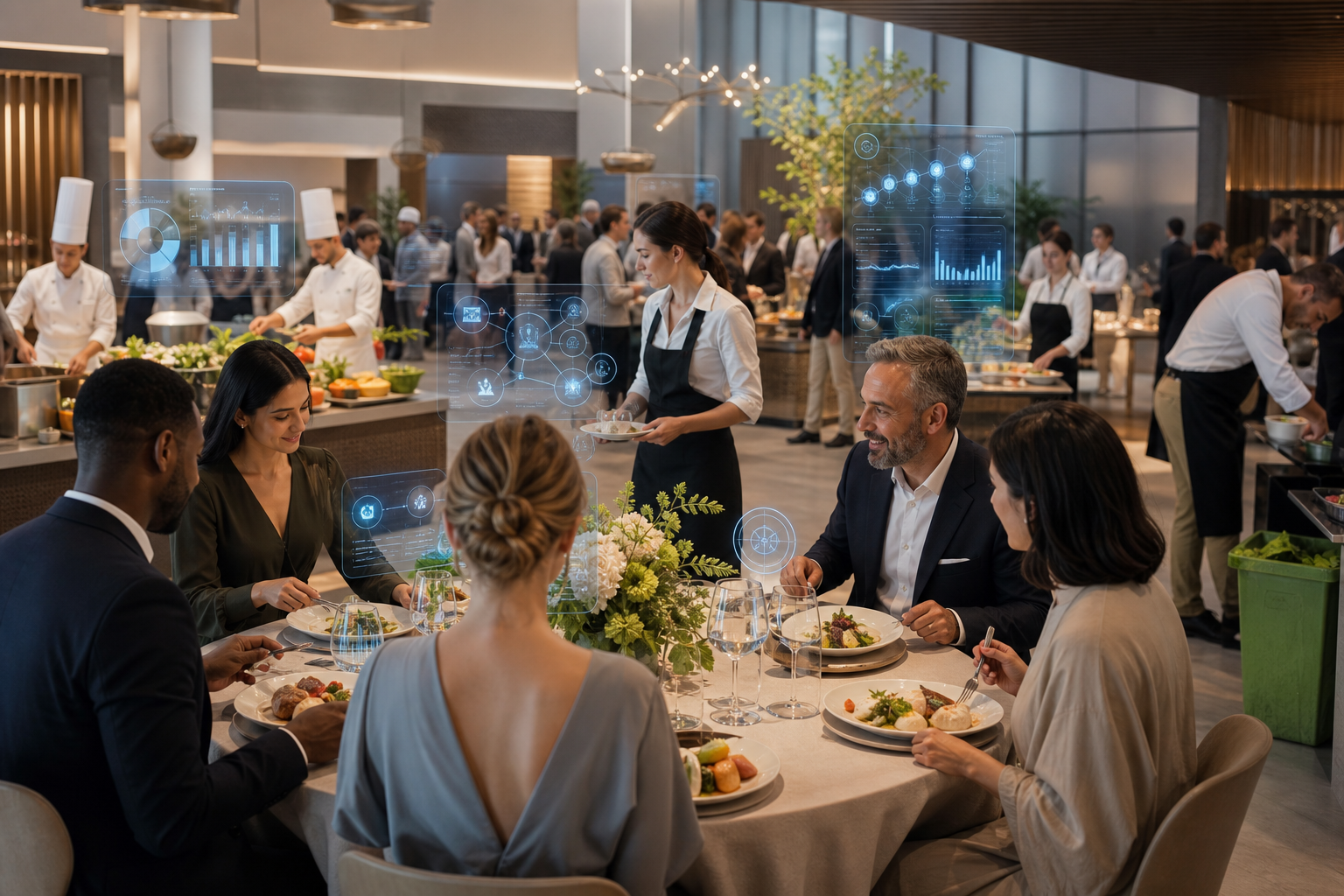
However, AI is not replacing the human side of hospitality. Successful events still depend on creativity, empathy, communication, and professional service. Instead, AI can handle repetitive and data-heavy tasks while catering professionals concentrate on creating memorable experiences.
As AI technology continues to evolve, the future of catering will likely become more predictive, personalized, efficient, and sustainable. Businesses that combine intelligent technology with genuine human hospitality can build stronger event experiences and adapt more effectively to the changing expectations of modern guests.